
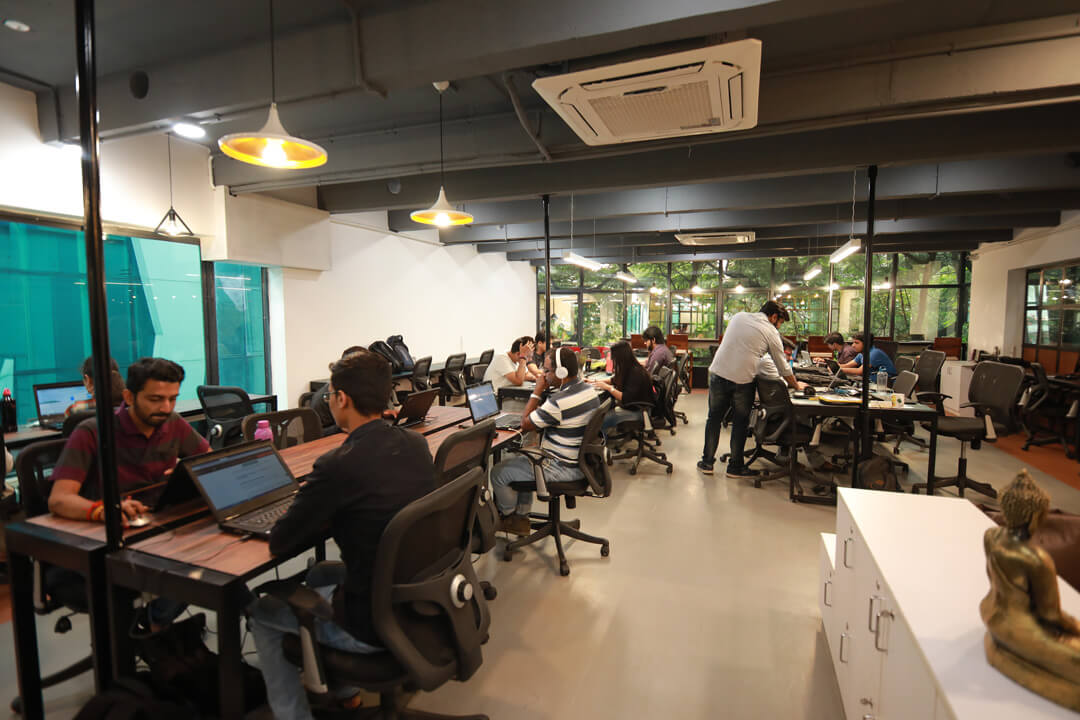
Introduction
Work in India has changed more in the last five years than it did in the previous two decades.
The traditional office is no longer the default. At the same time, working from home has revealed its own set of limitations. Between these two extremes, a new model has emerged and rapidly gained momentum—flexible workspaces.
In 2026, flexible workspaces are not just an alternative. They are becoming the preferred choice for professionals, startups, and even established businesses.
This shift is not driven by trends alone. It is driven by real needs: productivity, flexibility, professionalism, and scalability.
This blog explores why flexible workspaces are rising in India and what professionals should look for when choosing one.
What Are Flexible Workspaces?
Flexible workspaces are work environments designed to adapt to different working styles and needs.
Unlike traditional offices with long-term leases and fixed structures, flexible workspaces offer:
- Short-term or pay-as-you-use access
- Private cabins, open desks, and meeting rooms
- Shared infrastructure and services
- The ability to scale up or down
They bridge the gap between working from home and committing to a permanent office.
Why Flexible Workspaces Are Growing in India
1. The Shift to Hybrid Work
The pandemic accelerated remote work adoption, but it also exposed its drawbacks. Many professionals now prefer a hybrid model—working remotely but not necessarily from home.
Flexible workspaces provide a middle ground.
2. Rising Startup and Freelance Culture
India has seen a surge in:
- Freelancers
- Consultants
- Independent creators
- Early-stage startups
These professionals need a workspace that matches their pace and budget without long-term commitments.
3. Cost Efficiency
Traditional office setups involve:
- Long-term leases
- High upfront costs
- Maintenance expenses
Flexible workspaces eliminate these barriers by offering shared infrastructure and flexible pricing.
4. Demand for Professional Environments
Client-facing professionals cannot always rely on cafés or home setups.
A structured, professional environment builds credibility and trust.
Flexible Workspace vs Traditional Office vs Work From Home
| Factor | Work From Home | Traditional Office | Flexible Workspace |
|---|---|---|---|
| Cost | Low | High | Moderate |
| Flexibility | High | Low | High |
| Professional Setup | Limited | Strong | Strong |
| Scalability | Low | Medium | High |
| Commitment | None | Long-term | Short-term |
| Productivity | Inconsistent | Stable | High |
This comparison highlights why flexible workspaces are becoming the preferred choice. They combine the benefits of structure and flexibility without the limitations of either extreme.
What Professionals Need in 2026
The expectations from a workspace have evolved. It is no longer just about having a desk and internet.
1. Focus-Oriented Design
Professionals need spaces that minimize distractions and support deep work. This includes:
- Quiet zones
- Private cabins
- Thoughtful layouts
2. Flexibility in Usage
Not everyone works the same way every day. A workspace should allow:
- Hourly, daily, or monthly access
- Easy upgrades or downgrades
- No rigid contracts
3. Professional Infrastructure
A serious workspace must provide:
- High-speed internet
- Meeting rooms
- Power backup
- Clean and maintained facilities
4. Privacy and Confidentiality
For many professionals, especially those handling sensitive work, privacy is critical.
This includes:
- Sound-controlled environments
- Enclosed workspaces
- Secure access
5. Location Accessibility
A workspace should be easy to reach, saving time and reducing daily friction.
Image Section: Modern Flexible Workspace Environment


The Benefits of Flexible Workspaces
Increased Productivity
Working in a dedicated environment improves focus and reduces distractions.
Better Work-Life Balance
Separating work from home helps professionals maintain boundaries and avoid burnout.
Enhanced Professional Image
Meeting clients or collaborators in a professional setting builds trust and credibility.
Networking Opportunities
Flexible workspaces often bring together professionals from different fields, creating opportunities for collaboration.
Scalability
As your work grows, your workspace can grow with you—without the need for relocation or major investment.
Key Features to Look for in a Flexible Workspace
| Feature | Why It Matters |
|---|---|
| Private Cabins | For focused work and privacy |
| Meeting Rooms | For client interactions |
| High-Speed Internet | Essential for productivity |
| Flexible Plans | Adapts to your needs |
| Clean Environment | Impacts comfort and focus |
| Power Backup | Ensures uninterrupted work |
Choosing the right workspace is not about picking the cheapest option. It is about finding a space that supports how you work.
Challenges of Flexible Workspaces
To keep this realistic, flexible workspaces are not without challenges.
- Availability during peak hours
- Variation in quality across providers
- Potential distractions in shared areas
However, these challenges can be minimized by choosing a well-managed space that prioritizes structure and user experience.
The Future of Workspaces in India
The demand for flexible workspaces is expected to grow significantly in the coming years.
Key trends include:
- Increased adoption by small and mid-sized businesses
- More demand for private and hybrid work zones
- Tech-enabled workspace management
- Focus on wellness and productivity
Flexible workspaces are no longer just for startups. They are becoming a standard choice across industries.
Image Section: Hybrid Work Culture in Action

Why Flexible Workspaces Make Sense in 2026
The way people work has fundamentally changed.
Professionals today value:
- Control over their schedule
- Freedom from long-term commitments
- Access to professional environments
- Spaces that support both focus and collaboration
Flexible workspaces align with all of these needs.
They are not a temporary trend. They are a response to how work itself is evolving.
Final Thoughts
In 2026, the question is no longer whether flexible workspaces are relevant.
The question is whether your current work environment is helping you perform at your best.
Working from home may offer comfort, but it often lacks structure. Traditional offices offer structure, but lack flexibility.
Flexible workspaces strike the balance.
They provide professionals with the freedom to work on their terms while maintaining the discipline and environment needed for consistent productivity.
If you are looking for a workspace that supports focus, flexibility, and professionalism, it is time to explore a better alternative.
Spark Plug offers thoughtfully designed workspaces that adapt to your needs—whether you require a private cabin, a quiet desk, or a professional meeting setup.
Explore a workspace that works with you, not against you.